
What Every Southern Grocery Shopper Urgently Needs to Know Right Now
A major frozen fruit recall is raising concerns across the Southeast after reports of serious illness. Here’s what shoppers need to know, including how to identify the affected product, understand the risk, and request a refund.
The Silent Hazard: What is Hiding in the Frozen Food Aisle?
In the opening days of July 2026, an urgent public safety mandate rippled through the supply chains of one of the South’s most prominent supermarket networks. A massive voluntary recall was officially declared after federal agencies detected a direct epidemiological link between a specific product line and a cluster of severe bacterial infections.
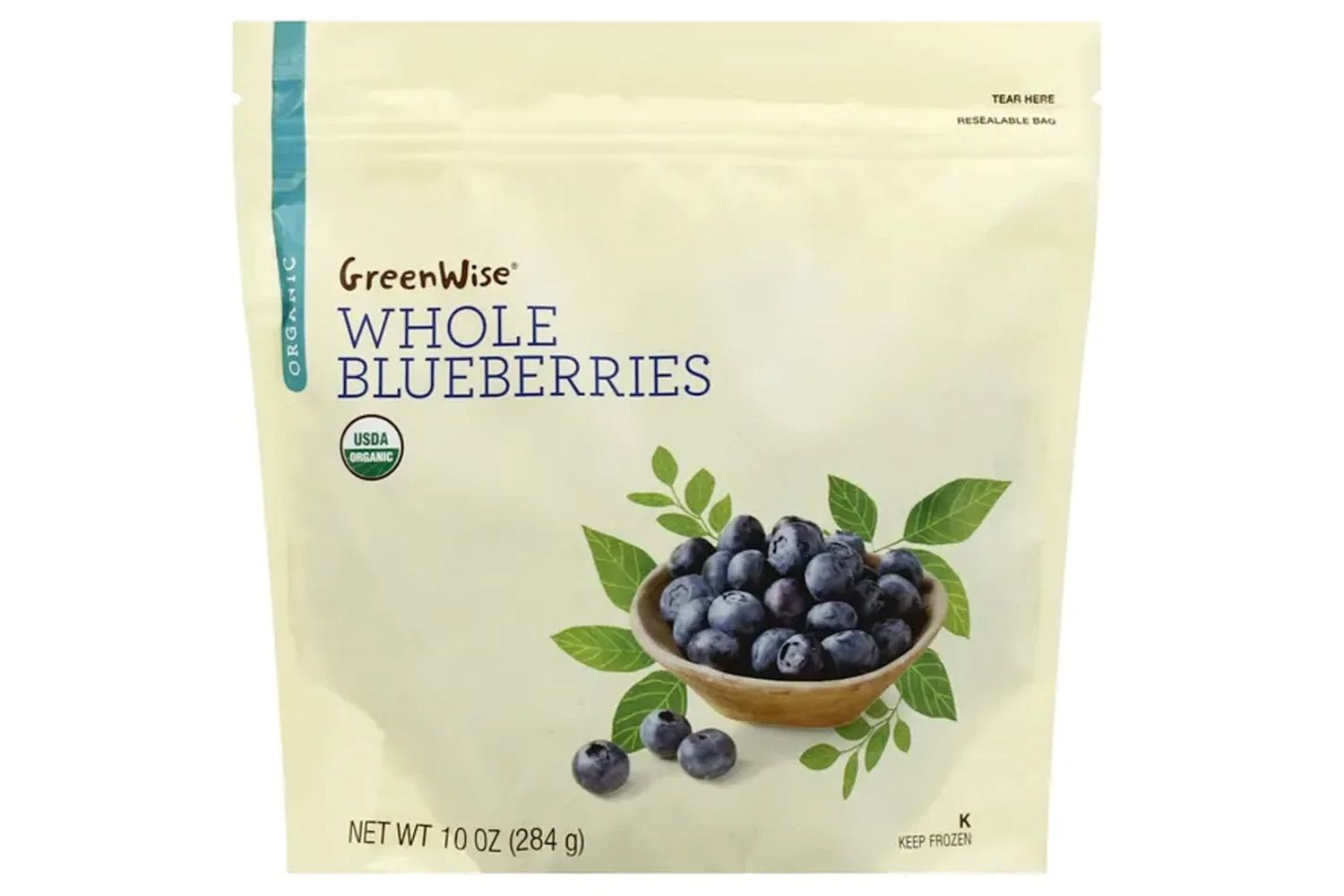
The hazard stems from GreenWise Organic IQF (Individually Quick Frozen) Blueberries, packaged in convenient 10-ounce resealable bags. Because frozen items are designed to sit in household appliances for months, or even years, without spoiling, officials are deeply concerned that contaminated packages remain completely unaccounted for, buried beneath ice packs in residential kitchens.
To protect your household, immediately cross-reference any frozen fruit inventory against these exact, high-stakes manufacturing markers:
-
Brand Label: GreenWise Organic IQF Blueberries
-
Volumetric Size: 10-ounce plastic bags
-
Specific Lot Code: 60401 (stamped directly onto the back or bottom perimeter of the packaging)
-
Expiration Metric: Best-By Date of February 9, 2028
-
Precautionary Purchase Window: Any matching item purchased on or before July 3, 2026.
While federal inspectors stress that no other production lots, alternative fruit varieties, or organic bag sizes are structurally implicated in the contamination pattern, the supermarket chain has taken an aggressive stance. As an added layer of consumer protection, they are advising patrons to stop consuming, and instead return or destroy, any bags of GreenWise frozen blueberries purchased during the early summer window—even if the ink-stamped lot numbers have smeared or do not explicitly match the primary hazard code.
+-------------------------------------------------------------------------+
|                      CRITICAL PRODUCT VERIFICATION                      |
+-------------------------------------------------------------------------+
| BRAND:       GreenWise Organic                                          |
| PRODUCT:     IQF Blueberries (10 oz)                                    |
| LOT CODE:    60401                                                      |
| BEST BY:     February 9, 2028                                           |
| ACTION:      DO NOT CONSUME. Return to store or discard immediately.     |
+-------------------------------------------------------------------------+
Tracking the Contamination: From South America to Southern Households
The logistical origin of this outbreak traces back to an international agricultural supplier based halfway across the globe: Frutas y Hortalizas del Sur S.A., operating out of San Carlos, Chile. The company packages and exports premium organic yields to global markets, utilizing rapid-freezing technologies designed to lock in flavor and nutrients at the peak of harvest.
However, a fundamental biological misunderstanding often leaves consumers vulnerable: freezing does not kill dangerous bacteria. While sub-zero temperatures effectively halt the replication of pathogens, it essentially acts as a preservation chamber. The moment the fruit is thawed in a blender, left on a counter, or mixed into a room-temperature bowl, the dormant bacteria wake up and begin multiplying exponentially.
The contaminated international shipment successfully cleared border customs and moved through regional distribution hubs, arriving at retail locations across eight distinct states:
-
Alabama
-
Florida
-
Georgia
-
Kentucky
-
North Carolina
-
South Carolina
-
Tennessee
-
Virginia
Public health registries indicate that the vast majority of early clinical cases have been geographically concentrated within Florida and Georgia. However, because regional food distribution routes frequently cross state borders, and travelers routinely transport groceries across state lines, health officials warn that anyone who purchased frozen organic berries in the broader Southern corridor must remain highly vigilant, regardless of their specific hometown.
The Outbreak Profile: 12 Case Studies and Rising Hospitalizations
The formal recall was not a preventative measure born out of routine laboratory sampling; it was triggered by real-world human casualties. Data compiled by the Centers for Disease Control and Prevention (CDC) and local health departments confirm at least 12 initial cases tied directly to this single agricultural lot.
The onset timeline for these documented illnesses spans from May 11 through June 5, 2026. Epidemiologists conducting intensive interviews with the victims noticed a striking uniformity in their dietary diaries: an overwhelming majority reported consuming frozen fruit smoothies or raw berry toppings sourced from the supermarket’s organic store brand within days of falling ill.
Out of the 12 primary patients identified in the initial wave, four individuals suffered complications severe enough to require formal hospital admission. While no fatalities have been reported, the high hospitalization rate (over 33%) underscores the violent nature of this specific bacterial strain.
The Pathogen Explained: Symptoms and Life-Threatening Risks
The culprit driving this regional health crisis is E. coli O145:H28, an incredibly virulent, Shiga toxin-producing Escherichia coli (STEC) strain. While many variants of E. coli live harmlessly within the digestive tracts of humans and animals, STEC strains carry specific genetic sequences that enable them to manufacture a destructive cellular poison known as a Shiga toxin. This toxin attacks the delicate endothelial cells lining your blood vessels, particularly within the intestines and kidneys.
The Clinical Progression of Symptoms
An individual who accidentally ingests even a microscopic amount of the bacteria will generally begin experiencing physical deterioration within 3 to 4 days, though the biological incubation window can expand anywhere from 24 hours up to 9 full days. The progression typically manifests through a distinct sequence of symptoms:
-
Early Onset: Mild localized abdominal twinges that rapidly escalate into agonizing, incapacitating stomach cramps.
-
Gastrointestinal Distress: The rapid onset of watery diarrhea accompanied by persistent nausea and bouts of vomiting.
-
Severe Phase: Within 24 to 48 hours, the internal cellular damage caused by the Shiga toxin often causes the diarrhea to become heavily streaks with blood, or in severe cases, entirely bloody.
-
Systemic Response: A low-grade fever often accompanies the inflammation, though a high fever is rare with this specific strain.
The High-Stakes Escalation: Hemolytic Uremic Syndrome (HUS)
For most healthy adults, the body manages to clear the bacterial load within 5 to 7 days through intensive rest and aggressive fluid replacement. However, for vulnerable demographics—including children under the age of 5, senior citizens, and anyone navigating an immunocompromised medical status—the Shiga toxin can enter the bloodstream and trigger a secondary medical catastrophe called Hemolytic Uremic Syndrome (HUS).
HUS is an absolute medical emergency characterized by a deadly triad of internal failures:
-
Hemolytic Anemia: The premature destruction of oxygen-carrying red blood cells, which break apart as they navigate damaged, clot-filled capillaries.
-
Thrombocytopenia: A dangerous drop in blood platelets as the body exhausts its clotting resources, leaving the patient vulnerable to internal bleeding.
-
Acute Renal Failure: The microscopic filtering units of the kidneys become entirely choked with cellular debris and tiny blood clots, causing the organs to shut down.
[STEC Infection]
       │
       ▼ (Produces Shiga Toxin)
[Endothelial Cell Damage]
       │
       ├─► Clotted Capillaries ──► [Thrombocytopenia] (Low Platelets)
       ├─► Shredded Red Cells  ──► [Hemolytic Anemia] (Extreme Fatigue)
       └─► Renal Blockage      ──► [Acute Kidney Failure] ──► EMERGENCY
If you observe warning signs of HUS—such as a dramatic drop in urination frequency, profound lethargy, unexplained bruising, pale skin tones on the inside of the lower eyelids, or sudden confusion—you must bypass local clinics and go directly to an emergency department.
The Consumer Blueprint: Action Steps for Your Kitchen
If an inspection reveals that you have a recalled bag sitting in your freezer, immediate mitigation is required to protect your home environment.
Step 1: Execute Safe Disposal or Isolation
Do not open the bag to inspect, smell, or taste the fruit; E. coli is entirely invisible and odorless. If you choose to discard the item at home rather than returning it to the store, place the original packaging inside a heavy-duty, sealable plastic bag. Tie it securely to prevent pets, wildlife, or children from rummaging through the refuse, and place it directly into an outdoor trash container.
Step 2: Implement a Rigid Decontamination Protocol
Bacteria can easily survive on dry surfaces and transfer to other items via cross-contamination. If the recalled bag has been opened or handled in your kitchen, you must sanitize the environment:
-
Appliances: Pull out any plastic bins or shelves in your freezer that were in physical contact with the bag and wash them with hot, soapy water, followed by a food-safe sanitizing solution.
-
Tools: If you recently used a blender, measuring cups, or spoons to process frozen berries, run them through a high-heat dishwasher cycle or submerge them in a diluted bleach solution (approximately one tablespoon of unscented liquid chlorine bleach per gallon of water).
-
Personal Hygiene: Scrub your hands with soap and warm water for at least 20 seconds immediately after handling the packaging.
Step 3: Handle Unlabeled or Repackaged Fruit Precautionarily
If you frequently transfer frozen fruit out of its original store packaging and into unlabeled silicone bags, plastic containers, or blender-ready meal prep jars, and you know you purchased organic blueberries from the store recently, err on the side of absolute caution and discard the food entirely. The financial loss of a bag of fruit is trivial compared to the medical costs of an E. coli infection.
The Financial Remedy: Securing Your Full Refund
The grocery chain has initiated an internal “stop-sale” order across all regional systems, automatically blocking the barcode at checkout registers to prevent any further accidental purchases. Because this has been classified as a Class I Recall—the highest risk designation utilized by regulatory bodies, indicating a strong probability of severe health consequences or death—both the retailer and the supplier are offering frictionless reimbursement paths.
To recoup your expenses, keep the following procedures in mind:
-
The Customer Service Desk: Take the physical bag (or a clear photograph of the stamped lot code if you prefer to discard the fruit immediately) to the front service counter of any regional store location.
-
No Receipt Required: Because GreenWise is a proprietary store-brand label, store managers do not require a paper receipt or digital proof-of-purchase to honor a recall refund. They will process a full cash return or issue a store credit balance on the spot.
-
Direct Corporate Support Lines: If you run into corporate friction or require specialized assistance regarding a purchase, you can bypass local store staff and communicate directly with the supplier’s dedicated food safety division:
-
Direct Telephone Helpline: 336-899-5612 (Operational Monday through Friday, from 8:00 a.m. to 6:00 p.m. Eastern Standard Time).
-
Electronic Communications: Info.foodsafety@comfrut.com
-
Medical Protocol: What to Do If You Have Already Consumed the Berries
If you realize that you or your children have eaten berries from the implicated lot within the past week, do not panic, but adopt a posture of strict medical observation.
If You Are Currently Symptom-Free
If you consumed the berries several days ago and feel perfectly fine, no immediate medical intervention or diagnostic testing is required. Keep a close eye on your physical health for a full 9-day window following the date of ingestion. Keep your body well-hydrated, eat balanced meals, and avoid unnecessary gastrointestinal irritants.
If You Begin Exhibiting Symptoms
The moment stomach cramping or diarrhea develops, initiate the following clinical steps:
-
Contact a Care Provider: Call your primary care physician or visit an urgent care facility. Explicitly state that you have been exposed to a product involved in an active Shiga toxin-producing E. coli recall. This piece of history changes how your lab samples are processed and prevents dangerous diagnostic delays.
-
Avoid Antidiarrheal Medications: This is a vital safety warning. Over-the-counter medications like loperamide (Imodium) or bismuth subsalicylate (Pepto-Bismol) work by slowing down the rhythmic contractions of your intestines. While this stops the frequency of diarrhea, it traps the Shiga toxin inside your bowel, drastically increasing cellular absorption and elevating your risk of kidney failure.
-
Reject Empirical Antibiotic Treatments: Do not self-administer leftover antibiotics from previous illnesses. When certain antibiotics attack STEC bacteria, they cause the bacterial cell walls to rupture all at once. This structural collapse releases a massive, sudden wave of Shiga toxins directly into your bloodstream, which can accelerate the onset of HUS.
-
Prioritize Oral Rehydration: Focus entirely on replenishing lost fluids and vital electrolytes. Sip on oral rehydration solutions, clear broths, or water throughout the day. Avoid sugary beverages, apple juice, milk, or caffeinated drinks, which can aggravate an inflamed intestinal lining..
Everyday Strategies to Protect Your Family From Foodborne Illness
While you cannot control agricultural practices in South America, you can implement protective strategies within your home to break the chain of infection.
-
Centralize Your Recall Alerts: Make it a habit to check official federal clearinghouses like FDA.gov and CDC.gov once a week, or sign up for automated email alerts. Food safety updates are often buried under rapid news cycles, leaving consumers completely unaware of hazards lurking in their own pantries.
-
Maintain Strict Temperature Baselines: Ensure your home freezer remains consistently calibrated to 0°F (-18°C) or lower. While this will not eliminate bacteria, it prevents any opportunistic mold, yeast, or secondary pathogens from compromising the structural integrity of your food supply.
-
Prevent Kitchen Cross-Contamination: Keep raw meats, unwashed produce, and ready-to-eat frozen items strictly segregated in your shopping cart and your home storage units. Use separate cutting boards for items that will be cooked versus items that will be consumed raw.
-
Protect High-Risk Individuals: If you care for individuals in high-risk categories, consider cooking frozen berries before consumption. Bringing frozen fruit to a rolling boil for at least one full minute inside a saucepan completely neutralizes E. coli and other heat-sensitive pathogens, making them entirely safe for pies, compotes, or warm oatmeal toppings.
This health advisory remains fluid as state inspectors continue parsing regional medical records. Check your freezer today, isolate any suspect packages, and prioritize your household’s health and safety over all else.